Start With The Ground, Not The Catalogue
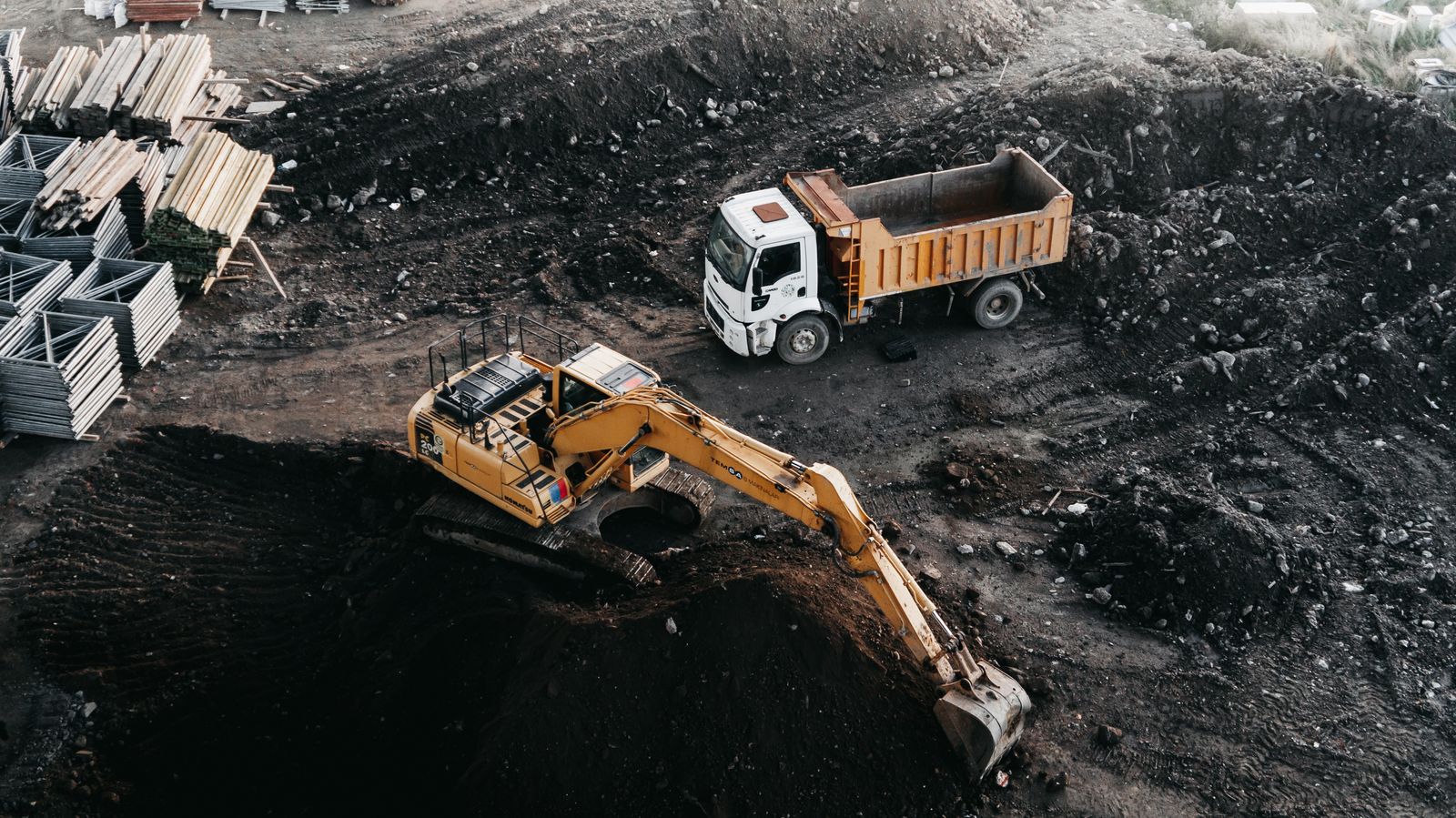
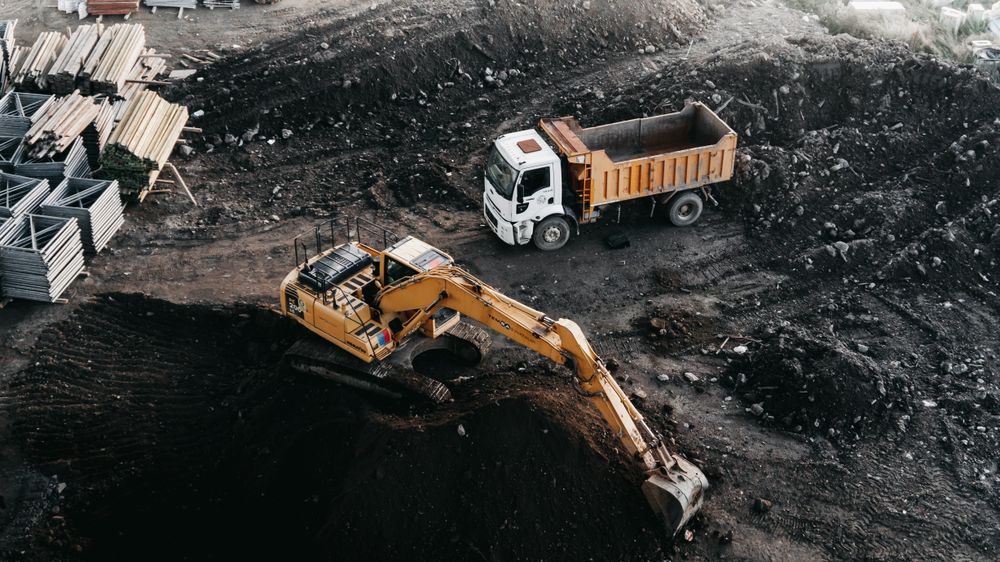
Attachments fail when they fight the wrong material. A general-purpose bucket thrives in loam but dies young in blasted rock; a breaker sized for footings will crack its own housing on mass rock. Before comparing brands, write down your three most common materials and the breakout force your carrier actually delivers at the stick — then shortlist attachments rated for both.
Match Weight To Your Carrier
Every attachment moves the machine's centre of gravity. As a rule, the attachment plus a full bucket of your heaviest material should stay under 85% of the carrier's rated lift at full reach. On compact machines this margin matters most: an oversized breaker will feel powerful for a week and then show up as cracked booms, tired slew rings and voided hire agreements.
Wear Parts Decide The Real Price
Two buckets can differ by a few hundred dollars new and thousands over a season. Compare tooth systems, side-cutter thickness and whether the cutting edge is reversible before you compare stickers. Ask for the cost of one full wear-part refresh — teeth, pins, bushings — and divide by expected hours. That number, not the purchase price, is the attachment's cost.
Hire First, Buy What Earns
Utilisation under 40% almost always favours hiring. Our attachment fleet — buckets, breakers, augers, compactors, grabs and thumbs — hires with the correct pins, hoses and auxiliary settings for your carrier, so a trial week tells you exactly what an attachment earns before you commit capital.
A Short Checklist Before You Order
- Carrier weight, hydraulic flow and auxiliary pressure confirmed
- Pin sizes, hitch type and hose couplings matched
- Wear-part refresh costed per hundred hours
- Operator briefed on warm-up, greasing intervals and limits